How is Aerial Refueling Conducted?
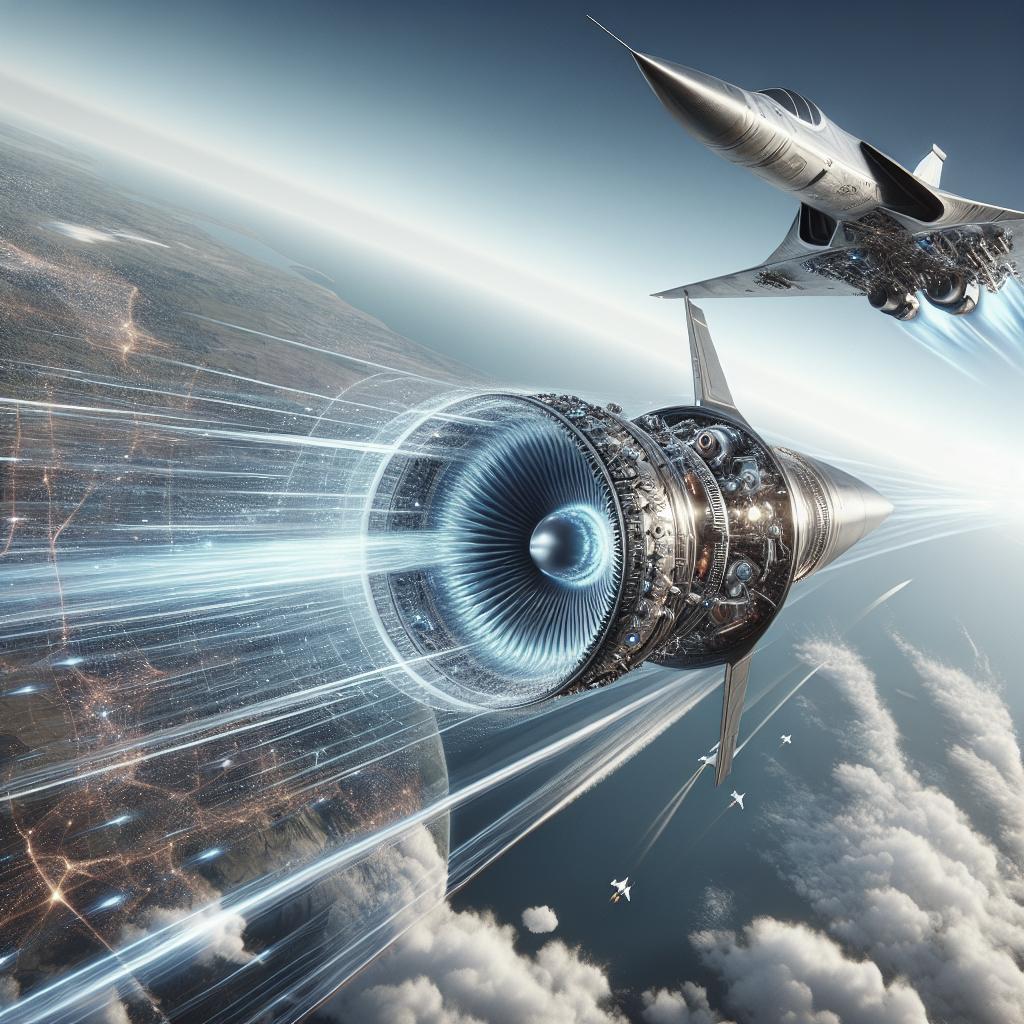
Aerial refueling, an intensive yet crucial aspect of modern military aviation, allows aircraft to extend their operational reach beyond the constraints of onboard fuel storage. This complex process involves transferring fuel from one aircraft, known as a tanker, to another, the receiver, while maintaining flight. Understanding this procedure involves delving into the methodologies—specifically, the difference between probe-and-drogue and boom refueling systems. This blog will examine these systems, explore advancements toward autonomous refueling, and highlight relevant modern developments in military aviation, showcasing their importance and recent innovations in defense alliances.
Aerial refueling, also known as air refueling or in-flight refueling, is a process in which one aircraft transfers fuel to another aircraft while in flight.
Aerial refueling is a sophisticated and technical operation that plays a pivotal role in air force operations worldwide. Essentially, it permits the refueled aircraft to extend its range, stay airborne longer, and fulfill extended mission requirements, which is essential for strategic campaigns and air dominance. Emerging during World War II, this technique has been refined over the decades to ensure efficiency and safety for the aircraft and crew involved.
The tanker aircraft carries additional fuel and is equipped with either a boom or a probe-and-drogue system to facilitate fuel transfer. These tankers supply fuel to a variety of combat and auxiliary aircraft mid-air, enabling them to continue their missions without losing precious time landing for refueling. As a result, aerial refueling contributes crucially to the flexibility and endurance of modern air operations, providing significant tactical advantages by allowing aircraft more time in the air over strategic locations.
What is the difference between Probe-and-drogue and boom?
The probe-and-drogue and boom systems are the two main methods for aerial refueling, each with its own unique components and systems. The probe-and-drogue system involves the tanker aircraft deploying a flexible, hose-like line with a drogue, a small parachute that stabilizes the hose in the airflow. The receiving aircraft is equipped with a probe that aligns and connects with the drogue, allowing the fuel transfer to take place. This method is highly adaptable and is favored by naval and allied air forces for its versatility and ease of use.
On the other hand, the boom system features a rigid, telescoping tube controlled by a boom operator. This system is generally more complex, allowing faster transfer rates compared to the probe-and-drogue method. The tanker aircraft uses the boom to make physical contact with the refueling receptacle on the receiving aircraft. Typically, the boom method provides greater speed and volume of fuel transfer but requires precise maneuvering and often more significant aircraft.
Boom systems vs. probe-and-drogue solutions
Choosing between boom systems and probe-and-drogue solutions often depends on the specific operational requirements and the type of aircraft involved. Boom systems, usually adopted by strategic heavy bombers and transport aircraft, offer high-speed and volume refueling capabilities, essential for large-fuel-capacity aircraft. It is a preferred choice for air forces with larger strategic bombers, like the U.S. Air Force, due to the massive amount of fuel transferred in a shorter time.
Conversely, the probe-and-drogue method is frequently deployed in tactical aviation units, fighter jets, and navies requiring flexibility and interoperability across a wide range of aircraft. Its simplicity and lower demand on hardware resources make it suitable for smaller aircraft and those operating under challenging conditions without a dedicated boom operator. The naval forces of countries such as the U.K. and France, favor probe-and-drogue systems for their versatility and compatibility with carrier-based operations.
Refueling aircraft will soon be largely autonomous
As we advance into an era dominated by artificial intelligence and automation, the possibilities for autonomous refueling aircraft are becoming increasingly viable. This innovation promises not only to enhance safety by reducing human error but also to streamline refueling operations with greater precision and efficiency. Autonomous aerial refueling could become the standard protocol for Unmanned Aerial Vehicles (UAVs) and stealth bombers, which require refueling without jeopardizing stealth capabilities.
The development of these systems is underway, with significant technological investments allocated towards making autonomous aerial refueling a reality. Such developments are not only poised to revolutionize refueling operations but will also expand the operational capabilities of air forces, allowing them to execute extended or more complex missions without frequent human intervention.
British stealth jets ‘fight off’ American fighters
In a recent training exercise, British stealth jets showcased their capabilities by successfully evading and countering maneuvers from American fighter jets. Utilizing advanced aerial tactics and strategies, these jets demonstrated how aerial refueling could extend their operational presence and effectiveness in surprise defensive strategies, making the battlefield a dynamic and unpredictable environment.
This exercise highlighted the importance of aerial refueling in maintaining a tactical advantage, as it allowed prolongation of missions without logistical constraints, providing continuous operational readiness and strategic depth to the participating air forces.
Rheinmetall to deliver 180,000 anti-air rounds to Ukraine
The German defense company Rheinmetall announced a significant contract to supply 180,000 anti-air artillery rounds to Ukraine. This transaction underscores the growing need for robust air defense systems and support operations, emphasizing how capabilities like aerial refueling contribute military efficacy by ensuring air cover and reconnaissance missions can sustain extended engagements.
Aerial refueling plays a critical complementary role in these defense strategies by ensuring that air patrols and defensive sorties can be maintained without interruption, thereby enhancing the resilience and readiness of air forces in conflict zones.
Defence officials highlight culture shift towards innovation
Recently, defense officials have been advocating for cultural shifts within military branches to embrace technological innovation more readily. This change is essential for integrating advanced systems like autonomous aerial refueling swiftly and effectively into operational paradigms, ensuring that forces remain adaptive and capable in increasingly unpredictable combat environments.
By fostering an environment open to new technologies, militaries can improve logistical efficiencies and mitigate risk by developing more reliable, consistent refueling operations that support sustained air dominance and strategic flexibility.
NATO fighter pilots complete high intensity training
NATO’s intensified pilot training regimen aims to prepare fighter pilots for the demands of modern aerial combat, where situational awareness and endurance are crucial. Aerial refueling is often integrated into such training exercises, as it enables pilots to conduct extensive flight operations, testing their skills in prolonged mission scenarios while managing fuel-related limitations.
These high-intensity training exercises are instrumental for developing adaptability and quick decision-making skills in pilots, accurately modeling combat situations where refueling plays a vital strategic role in maintaining air superiority and mission success.
The use of Storm Shadow missiles by Ukraine
Ukraine’s implementation of Storm Shadow missiles in its arsenal marks a strategic diversification of its aerial defense and offense capabilities. As these long-range precision missiles require extended operational windows, aerial refueling emerges as a pivotal technique, ensuring that aircraft can deliver these payloads effectively over vast distances without needing to return for refueling.
The operational range and strategic flexibility gained through aerial refueling bolster Ukraine’s defensive posture and deterrence capabilities, allowing them to maintain stance in complex geopolitical environments.
NATO jets ‘demonstrate strength’ in alliance skies
In a recent display of unity, NATO jets conducted a series of joint exercises to exhibit collective air power and deterrence capabilities. These operations often rely substantially on seamless aerial refueling techniques that contribute to operational coherence and strategic deterrence by enabling multi-nation forces to synchronize efforts over expansive operational theaters effectively.
Aerial refueling thus symbolizes not only functional cooperation but also a strategic asset that underpins collective defense agreements and ensures constant operational readiness across NATO member states.
RAF medics complete intensive exercise
Royal Air Force (RAF) medics recently concluded an intensive training exercise designed to enhance rapid response and operational endurance capabilities. Although primarily focused on medical readiness, the exercise also demonstrated how aerial refueling extends support aircraft missions, ensuring that medical evacuations and support operations could be maintained over long distances without logistical impositions.
This integration underscores how non-combat operations similarly benefit from aerial refueling’s logistical flexibility, ensuring that varied military operations can be sustained efficient and effective under diverse conditions.
British and American jets in big anti-drone exercise
In a joint exercise, British and American jets explored strategies to counter drone threats. A key aspect of this training was coordinated aerial refueling, which sustained continuous flight operations and resource allocation necessary to detect and neutralize drone threats over wide areas.
This collaborative exercise signaled the strategic importance of aerial refueling in contemporary warfare landscapes, where airborne vigilance and prolonged mission capabilities are vital in countering rapidly evolving aerial threats.
Raytheon awarded huge F-35 support contract, UK Involved
Raytheon’s recent contract to support the maintenance and operational readiness of F-35 fighter jets signifies a robust commitment to maintaining air superiority through advanced tech integration. Aerial refueling remains integral to these capabilities, enabling F-35s to conduct long-range operations which are essential in both offensive missions and defensive patrols.
This support contract not only bolsters NATO’s defensive capabilities but also emphasizes the strategic necessity of aerial refueling in maintaining advanced fighter jets’ operational duration and effectiveness.
Czech and French Air Forces demo NATO airpower
The Czech and French Air Forces recently collaborated in joint exercises demonstrating the integrated airpower and cohesive defense strategies of NATO. Aerial refueling prominently featured in these exercises to ensure sustained air patrols and synchronized operations among diverse national forces.
The exercises underscored how critical aerial refueling is to operational interoperability amongst allied forces, ensuring that strategic air operations remain flexible, collaborative, and responsive to emergent defense demands.
LEAVE A REPLY Cancel reply
Your email address will not be published. Required fields are marked *
| Topic | Description |
|---|---|
| Aerial Refueling Overview | An introduction to the mechanics and purpose of aerial refueling. |
| Refueling Systems | Comparison between the probe-and-drogue system and boom refueling techniques. |
| Technological Innovations | Advances towards autonomous refueling solutions. |
| Military Exercises & Innovations | Discussion on recent military developments that have utilized or emphasized the importance of aerial refueling. |