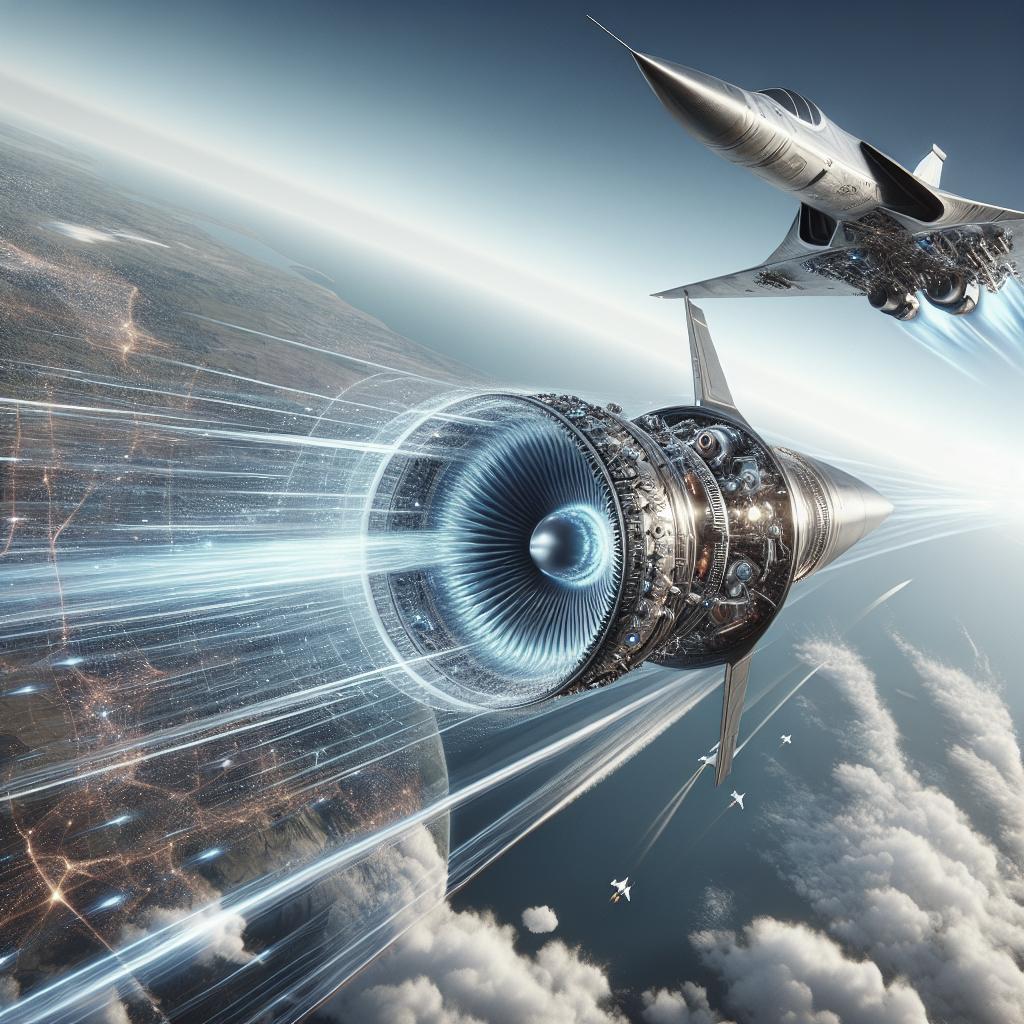
How Vertical Takeoff and Landing Aircraft Work
The fascinating world of vertical takeoff and landing (VTOL) aircraft is ever-evolving and opens up new avenues in aviation. VTOL aircraft boast the ability to take off, hover, and land vertically, which enhances their utility in various sectors, ranging from military operations to urban air mobility. This blog post will delve into the definitions, history, and mechanics of VTOL aircraft, explore how they use thrust to overcome weight, detail the benefits of VTOL technology, and look at examples present in the market today. Finally, we will examine the potential future developments and exciting possibilities that VTOL technologies hold.
New & Updated Definitions
Vertical Takeoff and Landing (VTOL) aircraft are defined as aircraft that have the capability to take off, hover, and land vertically. This ability differentiates them from traditional fixed-wing aircraft, which require a runway to build speed for takeoff and landing. VTOL aircraft often employ rotary wings or advanced propulsion mechanisms that enable these complex maneuvers.
Over recent years, the definition of VTOL has expanded beyond helicopters to include a variety of innovative aircraft. These include tiltrotors, which transition between vertical and horizontal flight, as well as electric VTOL (eVTOL) vehicles designed for urban environments. The introduction of electric propulsion systems has begun to redefine the possibilities of VTOL by promising enhanced efficiency and reduced environmental impact.
History of VTOL
The concept of vertical flight has intrigued aviation pioneers for over a century. The first practical VTOL aircraft was the helicopter, which emerged in the early 20th century. Helicopters became the mainstay of VTOL operations, especially important in military, rescue, and inaccessible rescue missions due to their unique ability to hover and reach places other aircraft could not.
In the latter half of the 20th century, advancements brought about tiltrotor aircraft like the Bell Boeing V-22 Osprey. These incorporated the benefits of both helicopters and fixed-wing aircraft, showcasing versatility with vertical takeoffs followed by traditional flight. With recent technological innovations, a new era has dawned for VTOL technology, particularly with the rise of electric propulsion systems unlocking capabilities unheard of in previous designs.
How VTOL Aircrafts Work
VTOL aircraft work by generating lift without relying on horizontal motion, which distinguishes them from conventional aircraft that use forward airspeed to rise. Helicopters achieve VTOL operations through rotor blades that spin fast to create lift, counteracting the force of gravity. Alternatively, some VTOL aircraft employ jet engines that can be swiveled to provide vertical thrust during takeoff and landing.
More advanced designs, such as tiltrotors, have engines or rotors that can tilt from a vertical position for takeoff to a horizontal position for forward flight. Electric VTOLs often use multiple rotors like drones for balanced lift, and advanced control systems manage these rotors for precise vertical and horizontal maneuvers.
Using Thrust to Overcome Weight
Thrust plays a pivotal role in enabling VTOL aircraft to overcome their weight and ascend. For a successful vertical takeoff, the thrust generated by the aircraft’s engines or rotors must be greater than its total weight. This requires powerful propulsion systems capable of providing more thrust than traditional aircraft of similar size.
The challenges include overcoming gravitational forces while ensuring stability and control during the transition from vertical lift to horizontal flight and vice versa. Engineers have developed sophisticated control systems to manage the distribution of thrust, enabling a smooth transition and maintaining the desired altitude and direction.
Vertical Take-Off and Landing
The unique ability to take off and land vertically provides VTOL aircraft with unmatched flexibility and access. This capability opens avenues for urban air mobility, where VTOL vehicles can operate in densely populated areas with limited available space. Traditional airports are not a necessity, enabling operations in novel environments.
VTOL operations often require specialized landing zones or pads, but the need for extensive runways disappears. This independence from runways is pivotal for using VTOL in emergency response efforts, allowing rapid deployment and retrieval in diverse geographic conditions without infrastructure limitations.
Benefits of VTOL
The benefits of VTOL aircraft are numerous and impactful. They offer unparalleled versatility, not only in operational deployment in various terrains but also in accessibility and maneuverability. Their ability to access remote or constrained areas with vertical takeoff and landing makes them invaluable for rescue operations, military missions, and urban transportation initiatives.
Additionally, the growing interest in sustainable aviation technology presents VTOL designs, especially those with electric propulsion systems, as avenues toward reducing the carbon footprint of air travel. Urban applications envision reducing congestion and commuting times, giving rise to modern air travel networks that are smart, efficient, and environmentally friendly.
Examples of VTOL Aircraft Seen Today
Many notable examples of VTOL aircraft are operational today, highlighting the spectrum of designs and applications. Helicopters like the Sikorsky UH-60 Black Hawk remain dominant in military and rescue operations. Meanwhile, the Bell Boeing V-22 Osprey exemplifies successful tiltrotor technology, offering both military and humanitarian applications.
Regarding civilian applications, startups like Joby Aviation and Lilium are developing eVTOL aircraft focusing on urban mobility platforms. Joby Aviation’s electric air taxi prototype, for instance, combines quiet electric propulsion with VTOL capabilities to provide a sustainable vision for the future of urban transport.
Future of VTOL Aircrafts
As technology advances, the future of VTOL aircraft looks increasingly promising. Innovations in battery technology aim to enhance flight duration and efficiency for electric VTOL vehicles. These advancements could make urban air mobility a reality, reducing road congestion and transforming city commuting into a faster and more sustainable experience.
Furthermore, ongoing research into autonomous flight could lead to pilotless VTOL aircraft, revolutionizing logistics and personal transport. While challenges persist in air traffic management and regulatory frameworks, the anticipated integration of VTOL technology into daily life invites endless possibilities for transportation, humanitarian aid, and beyond.
| Section | Content Summary |
|---|---|
| New & Updated Definitions | VTOL aircraft are defined by their ability to take off, hover, and land vertically, now including eVTOLs. |
| History of VTOL | VTOL technology’s evolution from helicopters to innovative designs like tiltrotors and eVTOLs. |
| How VTOL Aircrafts Work | VTOL aircraft achieve vertical lift using rotor blades, jet engines, or multiple electric rotors. |
| Using Thrust to Overcome Weight | Effective propulsion systems provide thrust to overcome gravity and achieve VTOL functionality. |
| Vertical Take-Off and Landing | VTOL’s ability for seamless takeoff/landing expands operational capacity in urban and remote areas. |
| Benefits of VTOL | Versatility, maneuverability, and potential environmental benefits are key VTOL advantages. |
| Examples of VTOL Aircrafts Seen Today | Includes helicopters like the Black Hawk and eVTOL prototypes from Joby Aviation. |
| Future of VTOL Aircrafts | Advancements in technology and regulations may accelerate VTOL integration into urban life. |